How to Package and Ship a Spindle for Repair
Protect your spindle in transit: how to clean, secure, crate, and document a machine tool spindle for repair so it arrives safely and gets diagnosed fast.
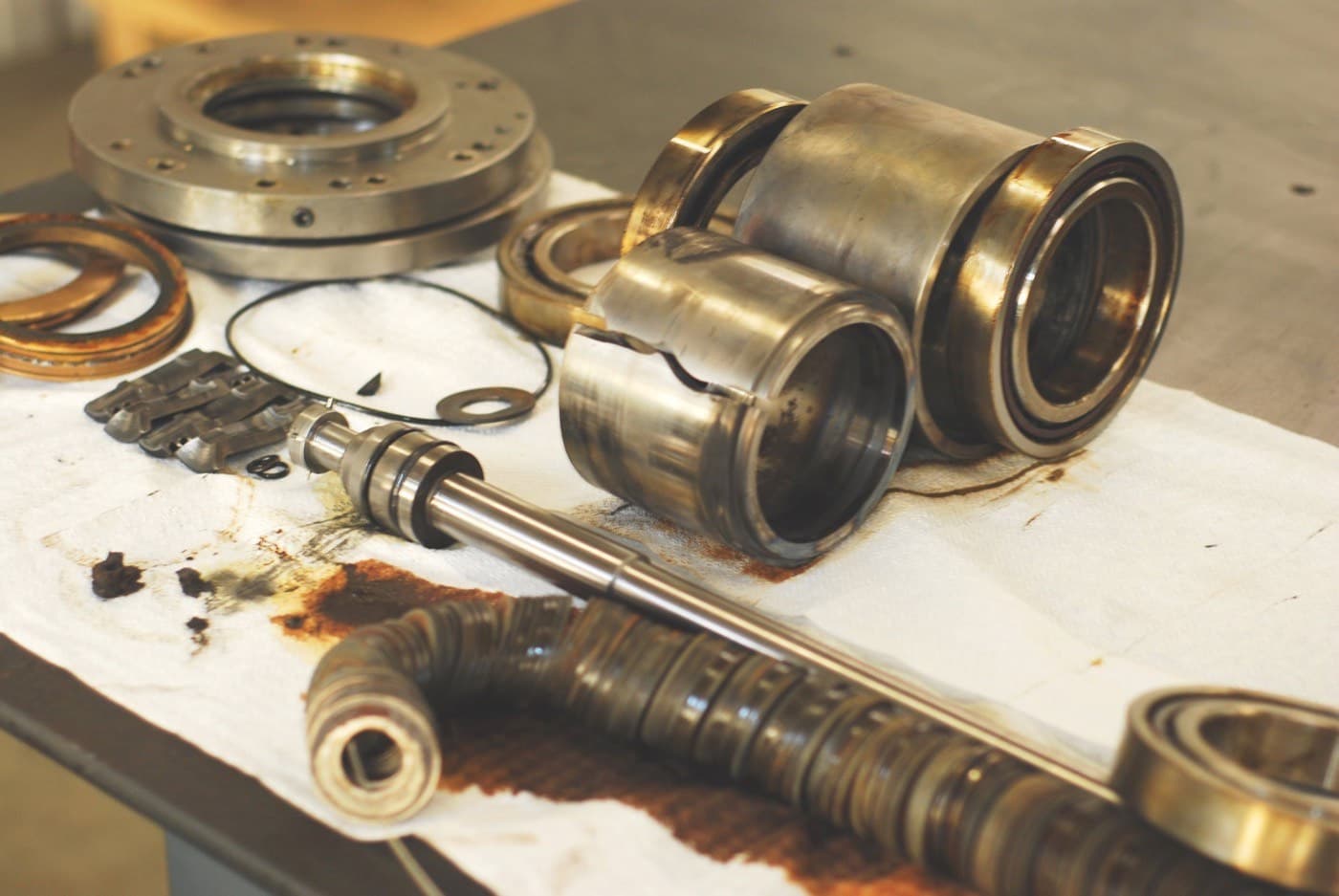
A spindle that's damaged in shipping turns a straightforward repair into a bigger one. A little care in packaging protects precision surfaces, speeds up diagnosis, and gets your machine back into production faster. Here's how to do it right.
1. Clean and protect the precision surfaces
- Wipe down the spindle and lightly oil bare metal to prevent corrosion in transit
- Protect the taper — it's the most vulnerable surface. Cap it or wrap it so nothing contacts or nicks it
- Cap or plug any coolant and air ports so debris can't get inside
2. Immobilize moving parts
Secure the drawbar and anything that can shift, so nothing hammers internally during handling. The goal is that no part of the spindle can move relative to another.
3. Crate it — don't just box it
Machine tool spindles are heavy and precise, and carriers are not gentle:
- Use a rigid wood crate, not a cardboard box
- Suspend the spindle in dense foam or custom blocking so it can't shift or contact the walls
- Keep the taper and nose away from any impact points
- Account for the weight — reinforce the base and use proper fasteners
4. Document everything
The fastest diagnosis starts with good information. Include, on paper inside the crate and sent ahead by email:
- The spindle make and model
- The machine it runs in
- A clear description of the symptoms (noise, vibration, runout, thermal growth, toolholding, or failure)
- Your contact and return information
Centerline provides a Spindle Repair Information form you can fill out and include — it captures exactly what our technicians need.
5. Tell us it's coming
Send us the details before it ships so we can be ready to inspect it on arrival. Start here → or read more about our spindle repair process.