The Maintenance Pre-Mortem: My Conversation with Kenneth Welch
On Maintenance & Manufacturing Insights, Kenneth Welch — a manufacturing supervisor with 23 years at Michelin, now at SendCutSend — shares the simple ideas that keep production moving: running a 'pre-mortem' before equipment fails, keeping the right spare part at the machine, and listening to the people closest to the process.
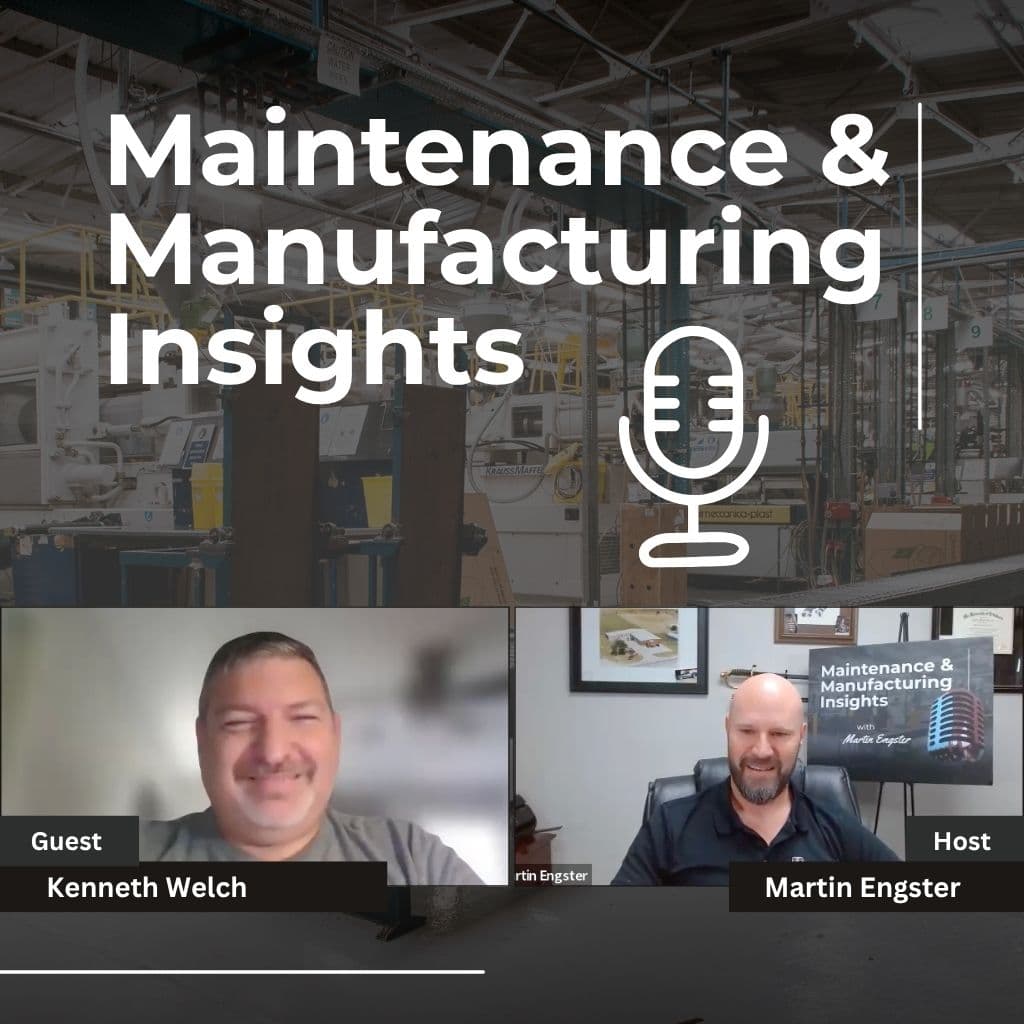
Some of the best lessons in manufacturing come from the people who have spent years working directly on the floor. On this episode of Maintenance & Manufacturing Insights, I sat down with Kenneth Welch to talk about maintenance, manufacturing, leadership, and the simple ideas that can make a big difference when equipment goes down.
Kenneth spent 23 years at Michelin in Ardmore, Oklahoma. After the facility closed, he moved into a new opportunity with SendCutSend in Arlington, Texas, where he brings decades of hands-on manufacturing experience to his role as a supervisor.
Prepare Before the Breakdown
One of my favorite ideas from our conversation was something Kenneth's team calls a "pre-mortem." Instead of waiting for a machine to fail and then figuring out what to do, the team looks at the equipment ahead of time and asks: What happens if this machine goes down? What should we do first? What comes next? Who needs to be contacted?
The goal is simple — have a plan before you need it. As Kenneth explained, when those steps are already in place, you don't need someone to become the hero or firefighter every time something breaks.
Sometimes the Simple Solution Wins
Kenneth shared a great example from his years at Michelin. When a belt was known to fail, they'd keep a replacement belt right at the equipment. If the original broke, the correct replacement was already there — no searching around the facility for the right part. The maintenance team could get straight to work and get the equipment running again. It's a simple idea, but in manufacturing, minutes of downtime matter.
Listen to the People on the Floor
Another theme that came through clearly was the value of listening to the people closest to the process. Kenneth came from the manufacturing floor, and that experience continues to shape how he leads today. The people working with a machine every day often notice things that someone looking at the operation from another level may never see.
As Kenneth put it: "If you don't know, you don't know." Sometimes the first step toward solving a production problem is simply talking to the people who deal with it every day.
Watch & Listen
Hear my full conversation with Kenneth Welch: