Spindle Repair vs. Replacement: Comparing the True Cost
New spindles carry long lead times and high cost. See how repair compares on price, downtime, and performance — and when rebuilding to OEM spec is the smarter call.
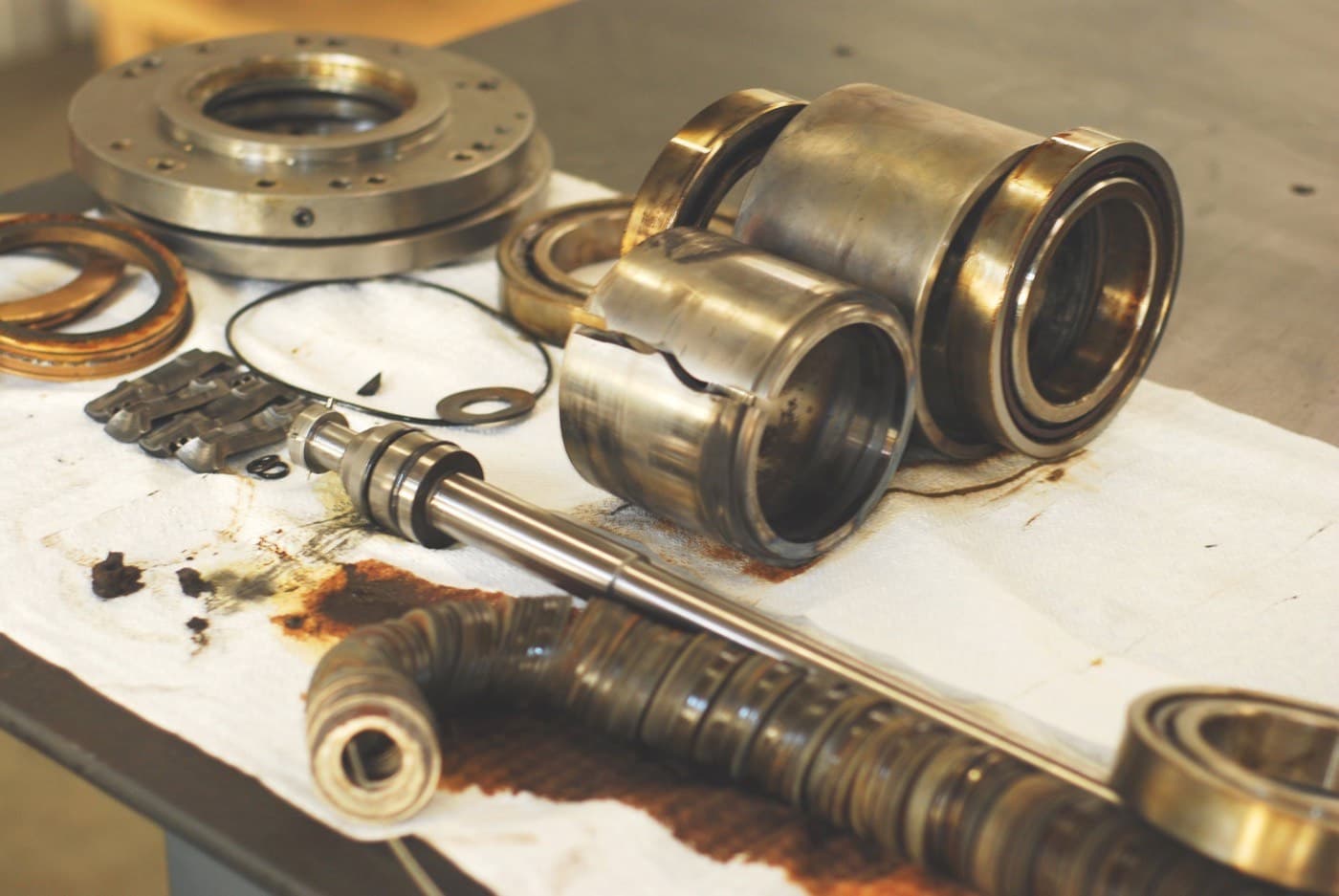
When a spindle goes down, the first question is usually: repair it or replace it? A new OEM spindle feels like the "safe" choice — but once you account for price, lead time, and downtime, a professional rebuild is often the better decision. Here's how to think it through.
The sticker price is only part of it
A new OEM spindle can cost several times more than a rebuild. But the purchase price isn't the whole story — the real cost is everything the decision touches:
- Purchase or repair price
- Lead time while the machine sits idle
- Downtime cost — lost production, missed deliveries, idle labor
- Performance and life after the work is done
Lead time is the hidden killer
New spindles — especially for older or specialty machines — can carry lead times of weeks or months, and parts obsolescence makes some effectively unavailable. Every day the machine is down is production you can't get back. A rebuild is typically far faster, and a good repair shop prioritizes turnaround.
A proper rebuild restores OEM performance
There's a myth that a repaired spindle is "second best." A correct rebuild — new bearings, precision machining and grinding, runout correction, dynamic balancing, and verification testing — restores the spindle to original manufacturer tolerance. Centerline backs its repairs with a performance guarantee.
When to repair
Repair is usually the right call when:
- The spindle housing and shaft are sound (wear, not catastrophic damage)
- Lead time on a new unit is long or the spindle is obsolete
- You want to control cost without sacrificing accuracy
When to replace
Replacement makes sense when the core is damaged beyond economical repair, or when you're upgrading to a fundamentally different spindle.
The bottom line
For most spindle failures, a professional rebuild restores full accuracy at a fraction of the cost and lead time of new — and keeps proven equipment in service. If you're weighing the two, send us the make, model, and symptoms and we'll give you an honest assessment. Learn more about our spindle repair process.