7 Warning Signs Your Spindle Needs Repair
Unusual noise, vibration, rising temperatures, or creeping runout — learn the warning signs that a machine tool spindle needs repair before a small problem becomes an unplanned production stop.
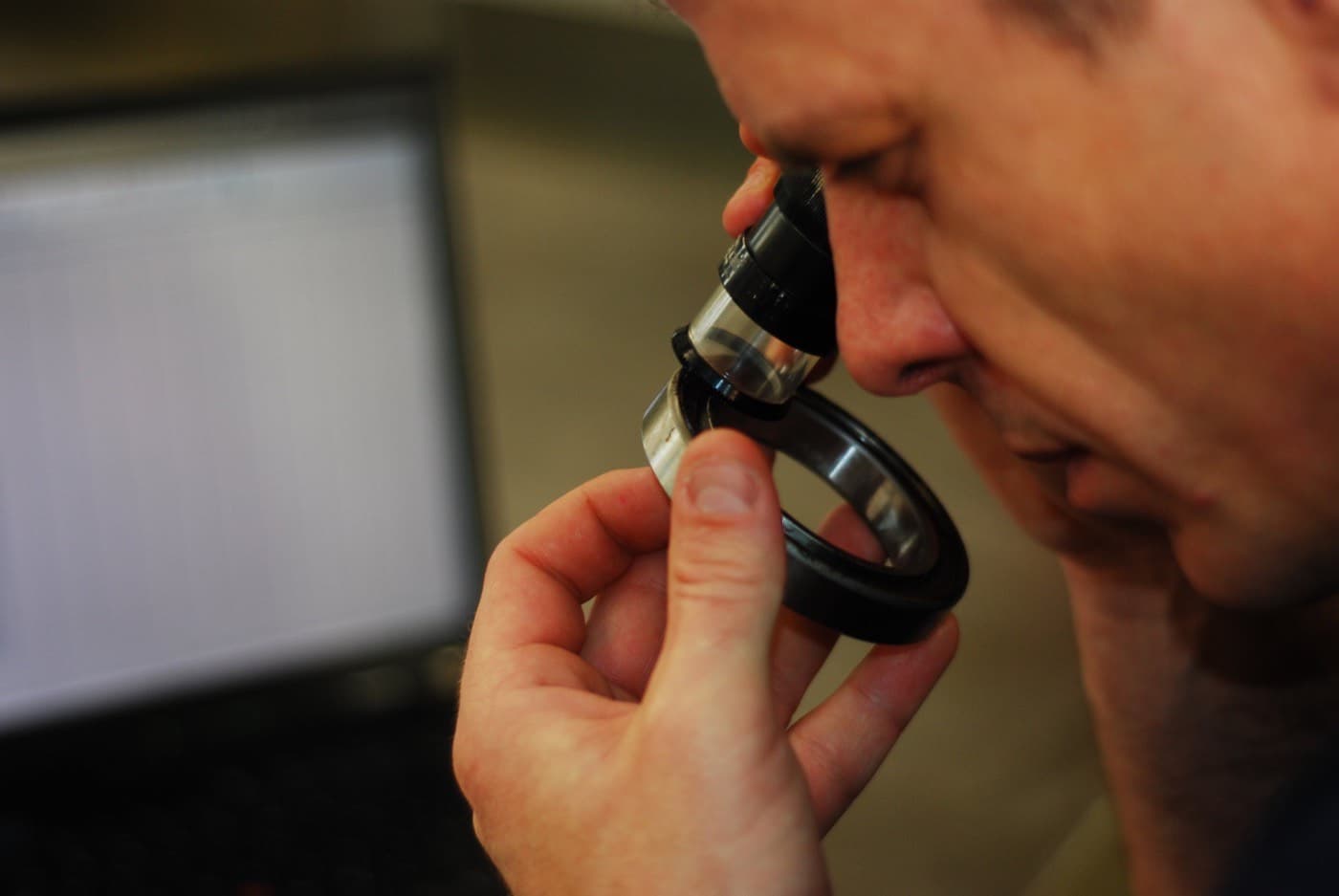
A machine tool spindle rarely fails without warning. Caught early, most issues can be corrected with a planned spindle repair — caught late, they turn into a seized spindle, a scrapped part run, and unplanned downtime. Here are the seven signs worth watching.
1. Unusual noise
Grinding, whining, or a rhythmic knock almost always points to bearing wear or damage. Bearings are the first thing to degrade in most spindles, and the noise usually gets worse under load or at higher RPM.
2. Vibration
Vibration that wasn't there before — felt at the tool, seen in the finish, or measured with an analyzer — signals imbalance, bearing wear, or a damaged shaft. Rising vibration is one of the most reliable early indicators of spindle trouble.
3. Runout and poor surface finish
If parts are suddenly out of tolerance, chatter appears, or surface finish degrades, the spindle may have excessive runout. This often traces back to worn bearings or a damaged taper. (More on this in our guide to spindle runout.)
4. Overheating and thermal growth
A spindle that runs hotter than normal — or grows dimensionally as it heats — is under stress. Overheating accelerates bearing failure and throws off accuracy. Check lubrication and cooling, but persistent heat means it's time for inspection.
5. Toolholding or drawbar problems
Tools that don't seat properly, pull out, or won't release point to drawbar, taper, or clamping-force issues. Poor toolholding ruins accuracy and is a safety concern at speed.
6. Rising spindle load or current draw
If the spindle drive is working harder than usual to hold speed, internal friction is increasing — a classic symptom of bearing degradation or contamination.
7. Contamination or coolant intrusion
Coolant or debris getting past the seals will destroy bearings quickly. Any sign of leakage or contamination warrants immediate attention.
What to do next
If you're seeing any of these signs, don't wait for the spindle to fail on a critical job. A prompt inspection establishes root cause before more damage occurs. Centerline rebuilds and balances spindles back to OEM specification and verifies the result by testing.
Send us the spindle make, model, and symptoms and we'll help you assess it. Request a quote →