Why Preventive Maintenance Is More Than Just a Maintenance Task
Korey Mertz of Advanced Machine Engineering explains why preventive maintenance is a culture, not a checklist — from monitoring drawbar pull force to preserving tribal knowledge and avoiding costly downtime.
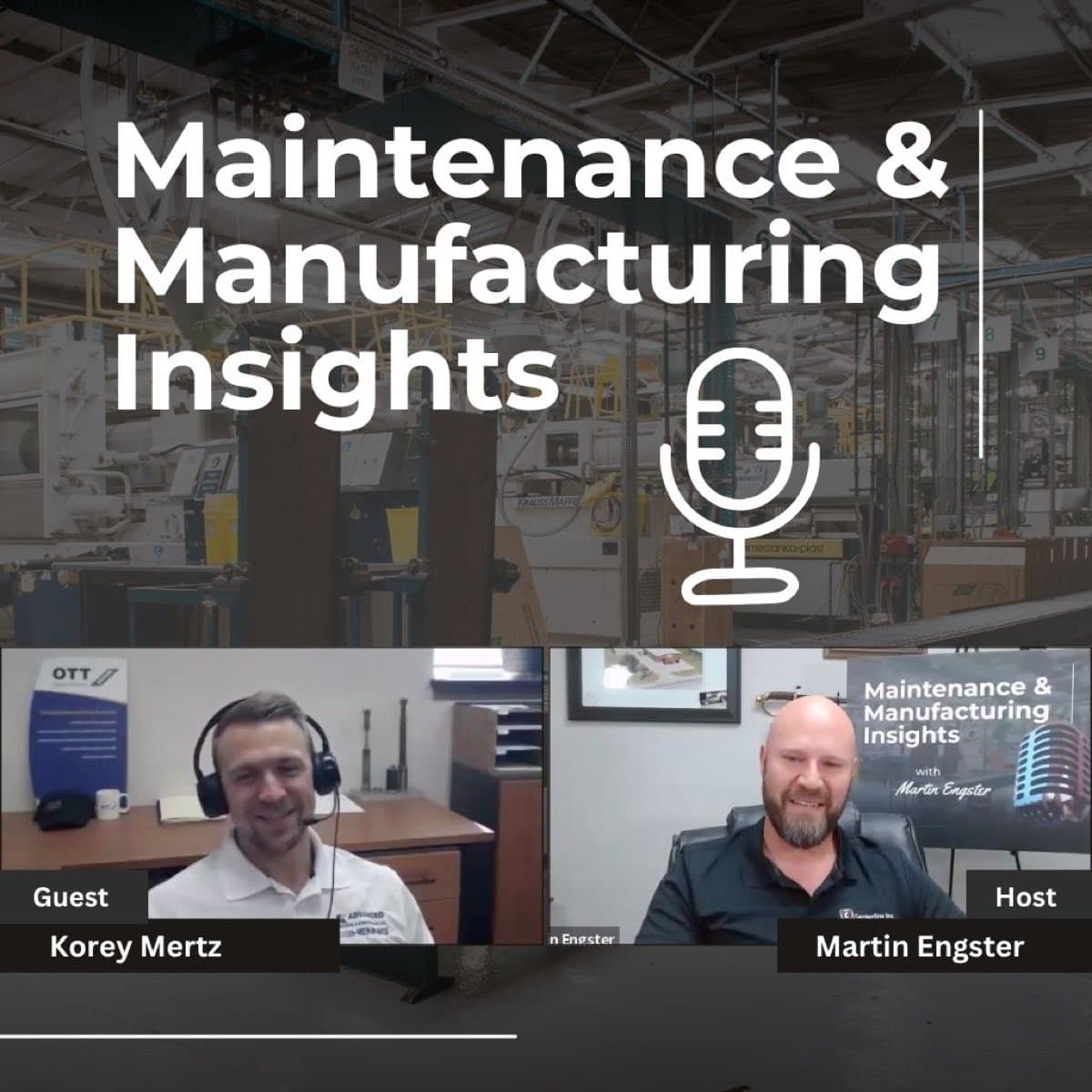
Keeping machines running is about much more than fixing problems after they happen. In a recent episode of Maintenance Manufacturing Insights, I had the pleasure of sitting down with Korey Mertz of Advanced Machine Engineering to discuss the importance of preventive maintenance — and how manufacturers can avoid costly downtime through better practices and stronger reliability cultures.
Experience Built on Machine Reliability
Korey is part of the Tool Clamping Systems Division at Advanced Machine Engineering, a division of Hennig Inc. With a background in mechanical engineering and years of hands-on experience with drawbar systems and spindle components, he brings a unique perspective to machine tool reliability.
During our conversation, Korey shared how many organizations still operate reactively, waiting until equipment fails before addressing problems. While that approach may seem easier in the short term, it often results in expensive repairs, missed deliveries, overtime costs, and unnecessary stress.
Why Monitoring Trends Matters
One topic we explored in depth was the importance of monitoring drawbar pull force. Since springs and other components naturally wear over time, tracking trends allows maintenance teams to identify issues before they affect part quality or lead to larger spindle failures. Preventive maintenance is more than a checklist — it requires a culture that values reliability and continuous improvement.
The Importance of Tribal Knowledge
Another key takeaway was the importance of preserving tribal knowledge. Experienced machinists often understand the personalities and characteristics of their machines better than anyone. Passing that knowledge on to the next generation is essential to maintaining productivity and avoiding unnecessary downtime.
Manufacturing Impacts Everything
One of the things I enjoy most about these conversations is highlighting how machine tools affect nearly every product we use. From aerospace and medical devices to electronics and automotive components, precision manufacturing touches our daily lives in ways most people never realize. I appreciate Korey sharing his knowledge and experience with the audience.
Listen to the Episode
Be a guest: Are you responsible for keeping machines running and production on track? If you're a maintenance manager, tool crib manager, or shop leader, I'd love to hear your story. Apply to be a guest and share your expertise with a wide audience eager to learn from your experience.