From Nuclear Submarines to Manufacturing Reliability: Lessons from Todd Gibbs
Maintenance Manager Todd Gibbs shares how lessons from the U.S. Navy's nuclear submarine program shape reliability-centered maintenance, vibration analysis, and planned shutdowns in modern manufacturing.
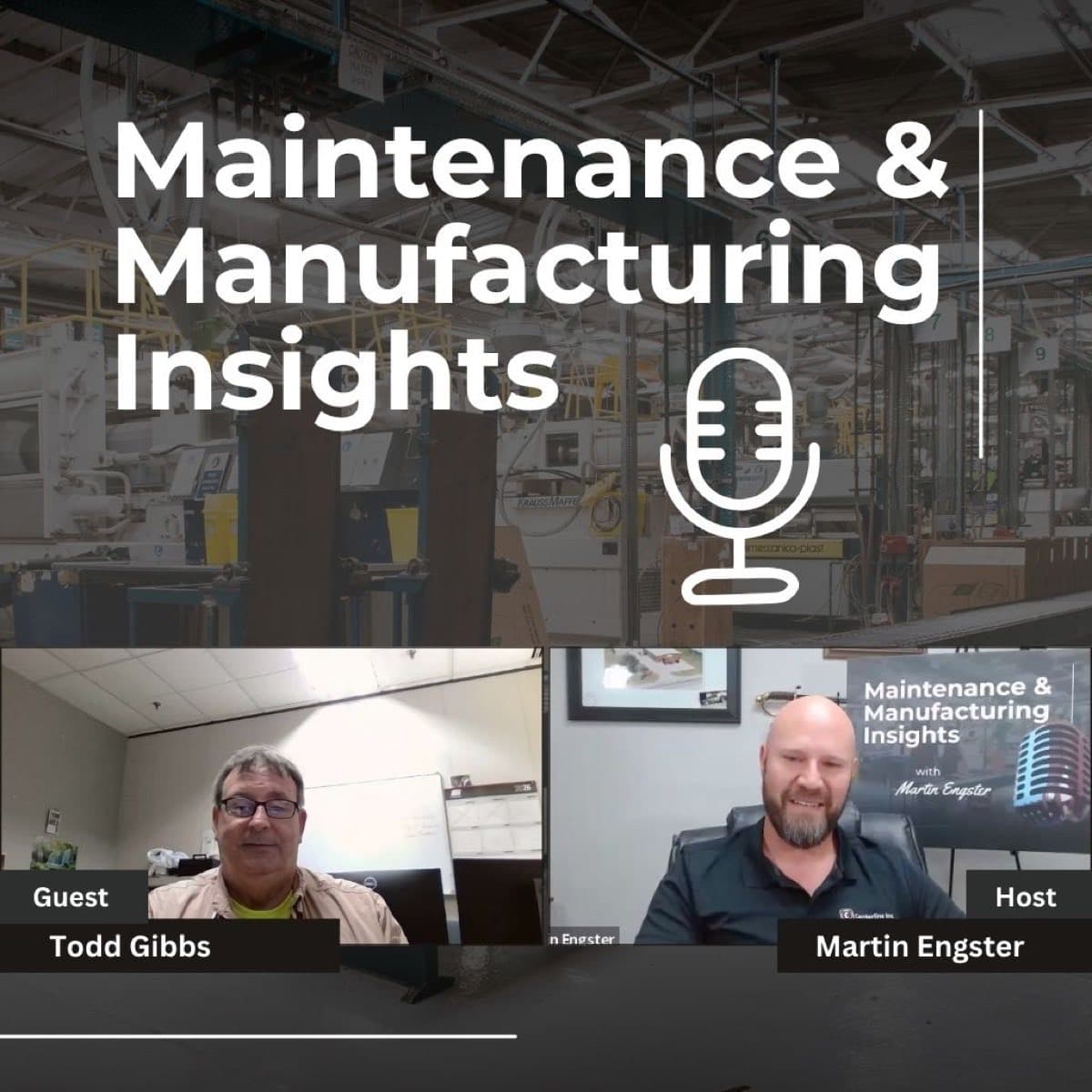
One of the things I enjoy most about hosting Maintenance Manufacturing Insights is the opportunity to sit down with experienced professionals who have spent decades solving problems and keeping manufacturing moving. Recently, I had the pleasure of speaking with Todd Gibbs, Maintenance Manager at Carlex Glass in Vonore, Tennessee.
A Career Built on Reliability
Todd's maintenance journey began in 1977 and included service in the U.S. Navy's nuclear submarine program. That experience gave him a unique perspective on reliability and the importance of understanding equipment at both the practical and theoretical levels. Throughout our conversation, Todd shared how those lessons have guided his career and continue to influence the way he leads maintenance teams today.
Focusing on Reliability Instead of Just Repairs
One topic that stood out during our discussion was reliability-centered maintenance. Todd explained that simply completing preventive maintenance tasks isn't enough — the real goal is improving long-term equipment reliability.
We talked about vibration analysis, root cause analysis, and the importance of planned shutdowns. Todd also shared how something as simple as selecting a higher-quality bearing can make a significant difference in equipment life and reduce costly downtime.
Real-World Problem Solving
Todd shared several great examples from his career, including how his team avoided a catastrophic oven driveshaft failure by identifying the issue early and implementing a temporary repair that allowed production to continue until a scheduled shutdown. He also discussed a major reliability improvement involving Tsubaki Lambda chain technology, which helped eliminate expensive conveyor downtime and delivered long-term savings.
Looking Toward the Future
We also touched on workforce development and the need to encourage more young people to pursue careers in the skilled trades. Todd believes technologies like 3D printing have their place, but that experienced people and sound maintenance practices remain the foundation of manufacturing success.
Listen to the Full Episode
You can hear my full conversation with Todd Gibbs in the episode "From Nuclear Submarines to Manufacturing Reliability with Todd Gibbs."
Be a guest: Are you responsible for keeping machines running and production on track? If you're a maintenance manager, tool crib manager, or shop leader, I'd love to hear your story. Apply to be a guest and share your expertise with a wide audience eager to learn from your experience.