1300 Cans a Minute: What Ian Long Taught Us About High-Speed Manufacturing
Coca-Cola Southwest Beverages supervisor Ian Long on running can lines at 1,300 cans per minute, handling a 2 a.m. Code Red filler failure, and why leadership and people matter most in high-speed manufacturing.
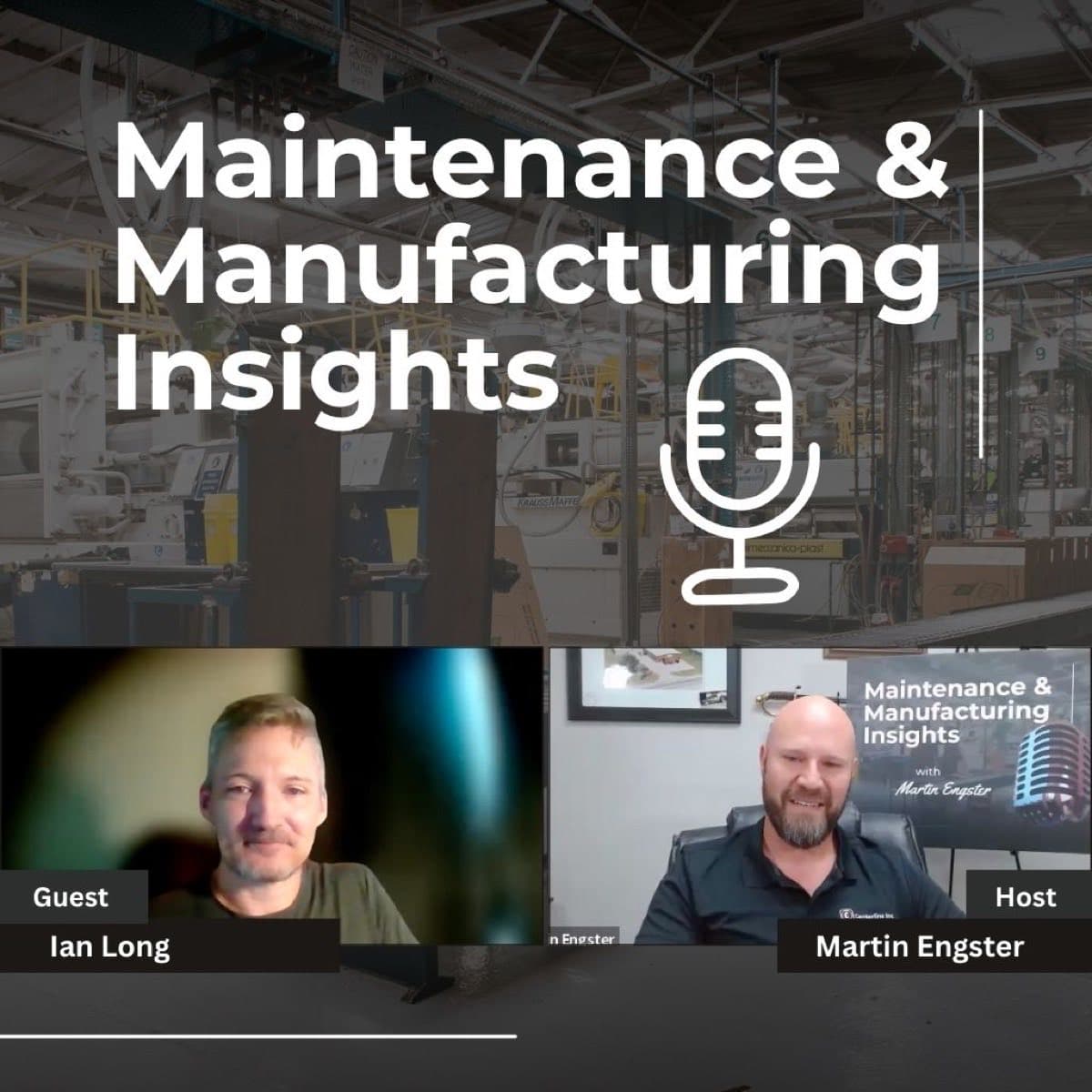
When most people think about manufacturing, they picture massive machines, conveyor systems, and products moving at incredible speeds. That certainly describes part of my recent conversation with Ian Long, Senior Manufacturing Supervisor at Coca-Cola Southwest Beverages — but what stood out most was Ian's perspective on leadership, teamwork, and the people behind the operation.
On a recent episode of Maintenance Manufacturing Insights, Ian shared his journey from starting as a floorhand order builder to leading multiple production lines and overseeing nearly 40 employees during overnight operations.
1,300 Cans Per Minute
One of the most fascinating parts of our discussion was learning about the incredible speed of modern beverage manufacturing. Ian's team operates can lines capable of producing up to 1,300 cans per minute. At that pace, even a small issue can quickly turn into a major production problem.
A 2 A.M. Code Red
Ian shared a memorable story about a critical filler failure that occurred at 2 a.m. The machine's main driveshaft failed, forcing the team into a Code Red downtime escalation. Working alongside maintenance personnel and a remote specialist, the team successfully restored production before the next shift arrived.
We also discussed some of the everyday challenges that don't always get attention. Something as simple as a single downed can on a conveyor can stop production and create a ripple effect throughout the operation. In high-speed manufacturing, every detail matters.
Manufacturing Is About People
What impressed me most was Ian's passion for developing people. While the technology and production numbers are impressive, his focus remains on helping employees grow, stay safe, and build meaningful careers. Manufacturing is about much more than machines — it's about leadership, teamwork, problem-solving, and creating opportunities for people to succeed.
Watch or Listen
Be a guest: Are you responsible for keeping machines running and production on track? If you're a maintenance manager, tool crib manager, or shop leader, I want to hear how you're getting it done. Apply to be a guest and share your expertise with a wide audience eager to learn from your experience.